
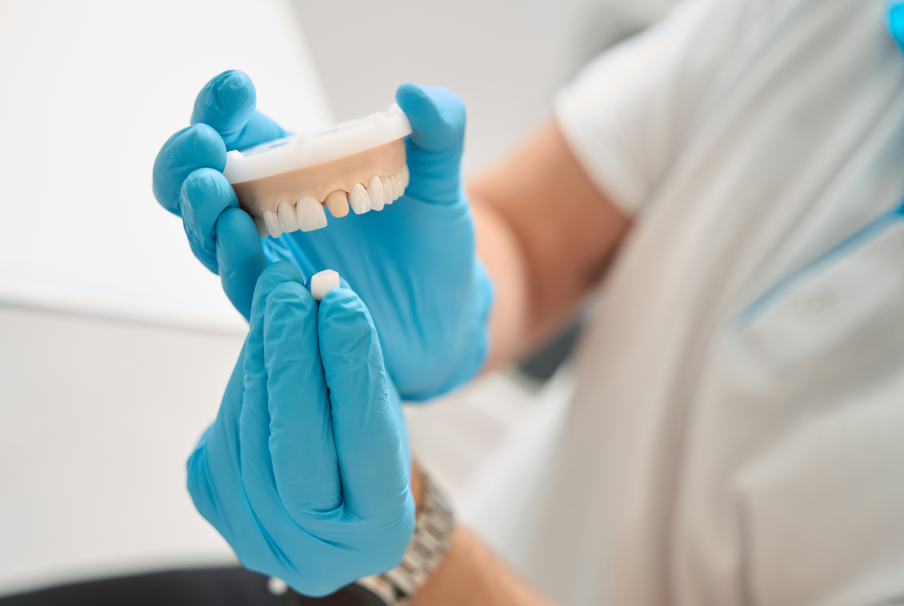
If you’ve never had a dental crown before, it’s completely normal to feel a little nervous about the process. Many patients worry that getting a crown will be painful or uncomfortable. The good news is that the procedure itself should not hurt, thanks to modern dental techniques and effective local anesthesia. Understanding what to expect can help ease anxiety and make the experience feel far more manageable.
What a Dental Crown Is and Why You Might Need One
A dental crown is a custom-made cap that fits over a damaged or weakened tooth. Crowns are commonly used to protect teeth that are cracked, heavily worn, severely decayed, or weakened after a large filling or root canal. They restore strength, shape, and function while also improving appearance.
Because crowns are often recommended when a tooth is already compromised, treating the issue sooner rather than later can help prevent pain and further damage.
Does the Crown Procedure Hurt?
During the crown procedure, your dentist will numb the area around the tooth being treated. This means you should not feel pain while the tooth is prepared or while impressions are taken. You may notice some pressure or vibration, but sharp pain should not be part of the experience.
If you feel discomfort at any point during the procedure, your dentist can adjust the anesthesia to keep you comfortable. Most patients are pleasantly surprised by how straightforward and painless the process feels.
What You Might Feel After the Appointment
Once the numbness wears off, it’s normal to experience mild soreness or sensitivity for a short time. This may include sensitivity to hot or cold temperatures or slight tenderness around the gums. These sensations typically resolve within a few days as the tooth and surrounding tissue settle.
Over-the-counter pain relievers and avoiding very hard or sticky foods can help during this brief adjustment period. If sensitivity lasts longer than expected or becomes intense, a follow-up visit can help identify and resolve the issue.
Why Delaying a Needed Crown Can Cause More Pain
One of the biggest misconceptions about dental crowns is that waiting will make the problem go away. In reality, putting off a crown when one is recommended often leads to more discomfort over time. A weakened tooth can continue to crack, decay can spread deeper, and sensitivity can worsen.
Delaying treatment may eventually result in severe pain, infection, or the need for more extensive procedures, such as a root canal or tooth extraction. Addressing the issue early with a crown can prevent these complications and spare you from more intense pain later.
How Dentists Keep You Comfortable
Dentistry today places a strong emphasis on patient comfort. From precise numbing techniques to gentle preparation methods, dentists are trained to make crown placement as stress-free as possible. Clear communication during the appointment also helps ensure that any discomfort is addressed right away.
If dental anxiety is a concern, discussing it ahead of time allows your dentist to tailor the experience to your needs.
Getting a dental crown is typically far less painful than the problems it’s designed to fix.
About the Practice
Sunnyvale Family & Cosmetic Dentistry provides restorative dental care designed to protect natural teeth and restore long-term oral health. Dr. Sudeep specializes in dental crowns and other restorative treatments using modern techniques focused on comfort, precision, and durability. Our dental team works closely with patients to explain treatment options and ensure a positive, informed experience from start to finish.
Call us at (408) 547-9101 or request an appointment online.